Notes on graving
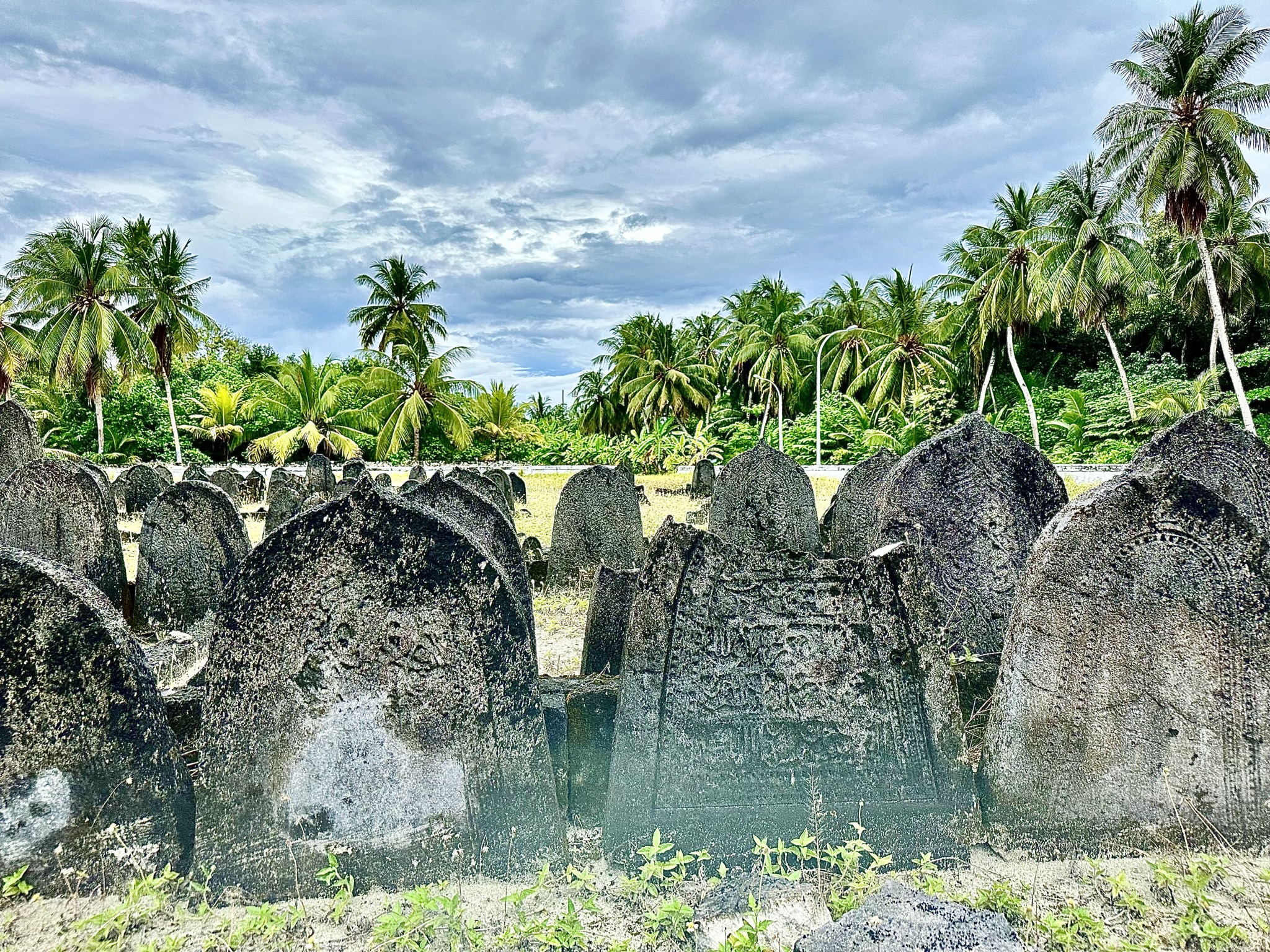
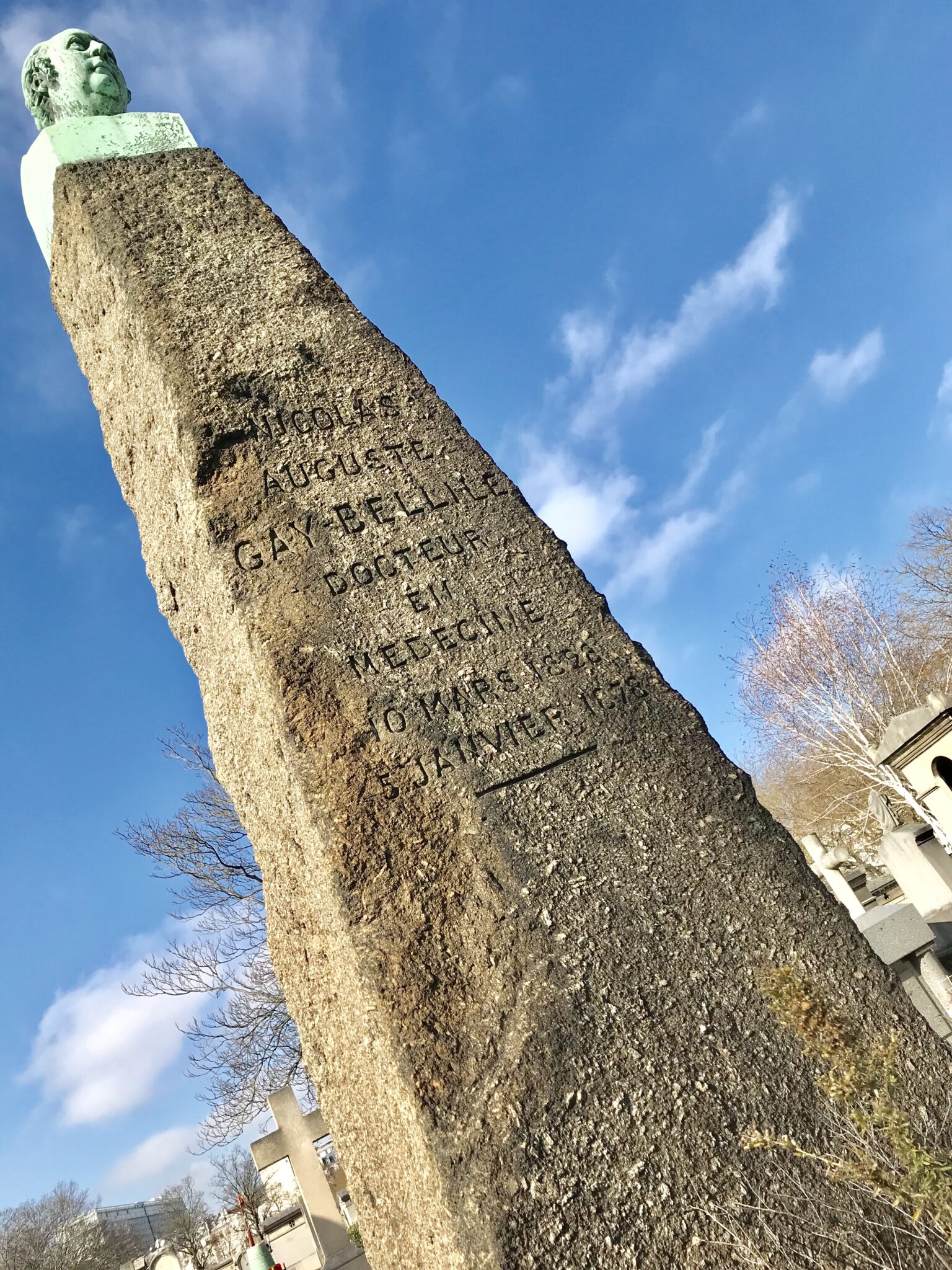
The image of Dr. Nicolas Auguste Gay-Bellile’s grave, a massive head perched on top of a skyscraping tombstone, reminds me of Dune and the way director Denis Villeneuve showed the corpulent menace, Vladimir Harkonnen, using Holtzmann suspensors to rise and allow the baron to seemingly nullify gravity. The image of the sculpture is from a Parisian cemetery and it’s a good start. I’m posting notes to frame initial categories, and graving should figure a lot in this site so forgive the disarray of what you read and see here. Have to first establish a few demarcations. What’s this page about? What is graving? Good question. A graver is someone who loves going to and exploring cemeteries. Sometimes called a taphophile. Graving is about a particular fascination with burial grounds, which is why research on the practice – even the hobby – of graving is sometimes associated with archaeology. I’ve been

Watch over us, Tita Mercy
This piece came out in abs-cbnnews.com on 25 May 2020. Tita Mercy’s passing hit so many families, groups, and individuals whose lives she touched because of her tireless work on women’s health and reproductive rights. Just thinking about her now, that Tita Mercy is no longer with us, it makes my heart sink. But we forge on, as she would have insisted, because loving never stops, and we must live life with a high sense of joy, justice, and meaning. And like many others, Tita Mercy is now eternal, as I conclude below. (Tita Mercy’s photo above is from the organization PINSAN. The other photo, with family friend and kumare Beau Baconguis, is by Sinag de Leon who graciously gave permission to use her image. Thank you!) Mercedes Fabros, in memoriam The mourning after, when life is at its most quiet, is the most difficult. Despite a lifetime of insights
Dreaming Colombo
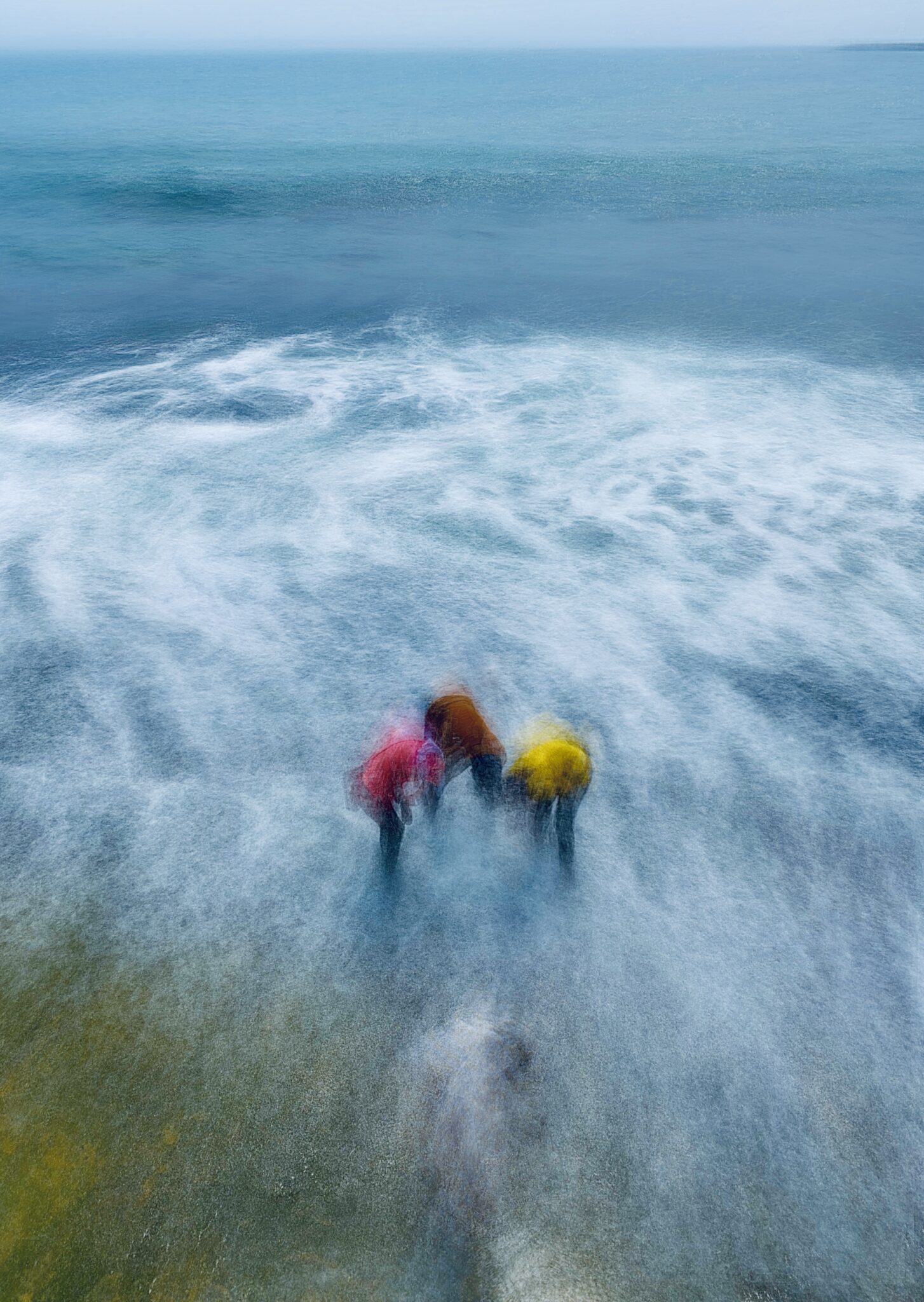
Capital of Sri Lanka. A dreamy place. Humid, lush, alive. One night I headed to the Muslim area for street food. Then I went to the public wholesale goods market, which was bustling. The scent of spices wafted throughout the alleyways. Colors splashed everywhere. The red mosque was stunning. So was this monumental relic of a bygone era. It must have seemed modern when it was unveiled. The landline seems strange to young people today when they first encounter this blue installation.

Wyatt Earp
This is my loyal horse, my companion, the bicycle that brings me great joy, on which I discovered the way I cycle is closer to the cerebral and emotional rhythms of walking rather than cycling. I stop frequently, I like having destinations but I am not bound by endings. I meander. I putter around. I often unconsciously look for a place to sit or loaf, where I can stop and read a book. It’s a faster way of walking, but certainly it is slower than cycling. It feels aimless but not when drifting is the preferred mode. I never think of picnics when walking (when hiking, yes) but when I am riding Wyatt Earp, my mind wonders if I should have brought a thermos of coffee or soup, an insulated bag with beer or wine with cheese, and I wonder if I brought with me the right book. On my
Defending the Future: Steve Sawyer
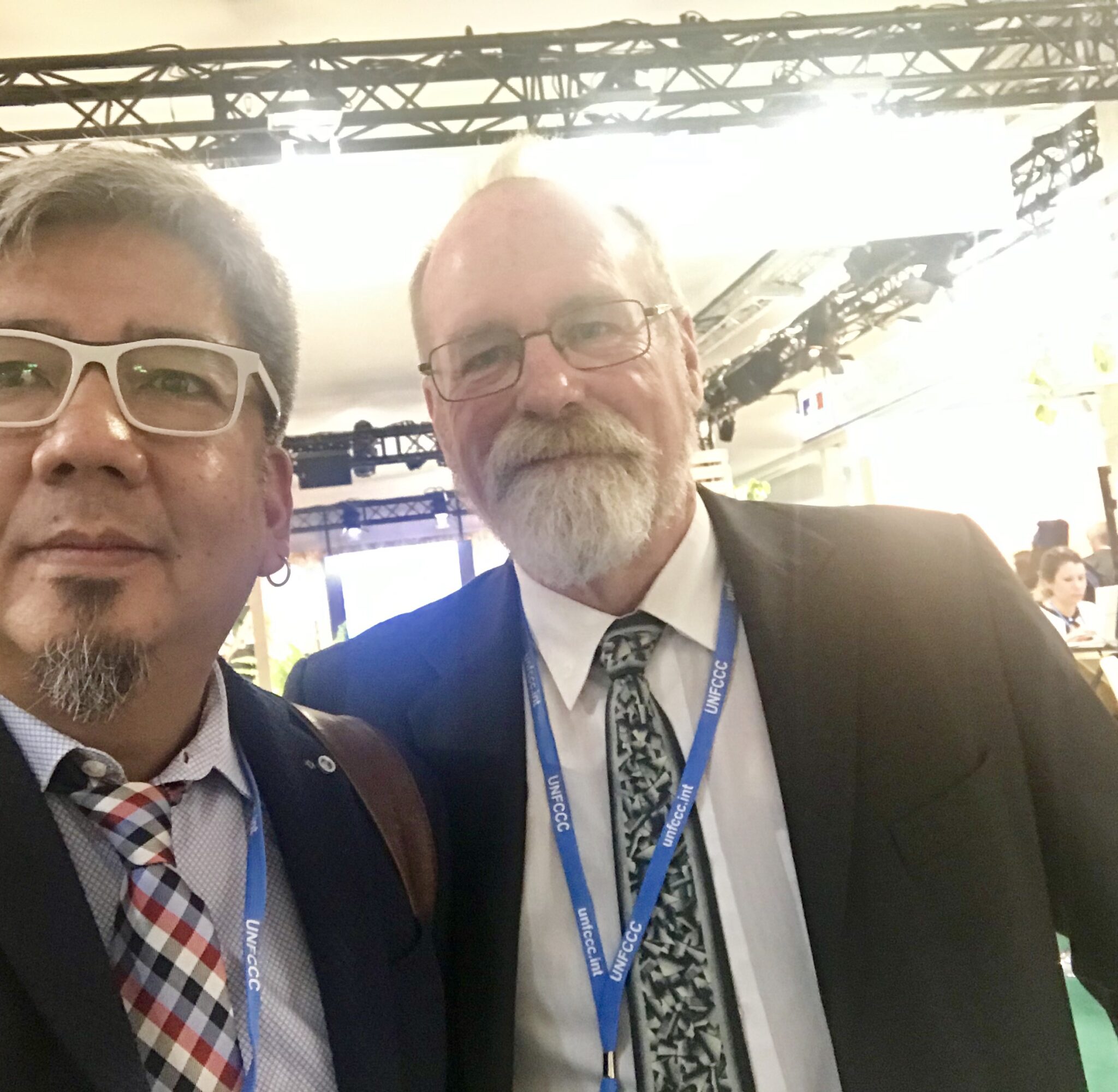
“There are salacious rumors going around saying our planet is burning and that you are no longer around. Only the latter is false. Along Rue de Dunkerque I passed by Terminus Nord the other day and paused, remembering when you walked in by chance, with lovely Shruti, and later Athena joined. Sze Ping and I were arguing loudly, as always, over langoustines, and you came over, wondering what the ruckus was about. Of course it was the usual nothing—who had the bigger oyster and who snored worse, and we wondered whether Sze Ping’s T-Rex arms could take a selfie that could capture all of us, which he did. You were in Gare du Nord, Steve Sawyer, and then again past Strasbourg as the train sped towards Frankfurt and turbines tall and spinning and gleaming, proclaimed that you would live forever. Because that is what you fought for, that so many
Currently Reading

Notes on graving
The image of Dr. Nicolas Auguste Gay-Bellile’s grave, a massive head perched on top of a skyscraping tombstone, reminds me of Dune and the way director Denis Villeneuve showed the corpulent menace, Vladimir Harkonnen, using Holtzmann suspensors to rise and allow the baron to seemingly nullify gravity. The image of the sculpture is from a Parisian cemetery and it’s a good start. I’m posting notes to frame initial categories, and graving should figure a lot in this site so forgive the disarray of what you read and see here. Have to first establish a few demarcations. What’s this page about? What is graving? Good question. A graver is someone who loves going to and exploring cemeteries. Sometimes called a taphophile. Graving is about a particular fascination with burial grounds, which is why research on the practice – even the hobby – of graving is sometimes associated with archaeology. I’ve been graving for a long time. When I’m in a new place, the first compulsion for me is to look for public markets, kitchens, and yes, cemeteries. I’ve often been asked what explains my fascination with the resting place of the dead. My answers vary, but they hew close to similar explanations. Because cemeteries are quiet and imbued with peace, which means they’re great places to linger in and read a book, watch people, watch birds, be still. Cemeteries are brimming with stories and speculations about past lives, art, mortality, love, passions, history, memory. They are gardens of imagery. They are public parks. They are reminders of how short life is. Sometimes the pleasure is about the hunt – if I’m looking for a particular person who has passed the great veil, I feel a surge of excitement, and my senses take fractal form, especially in situations where a cemetery visited
Anniversary