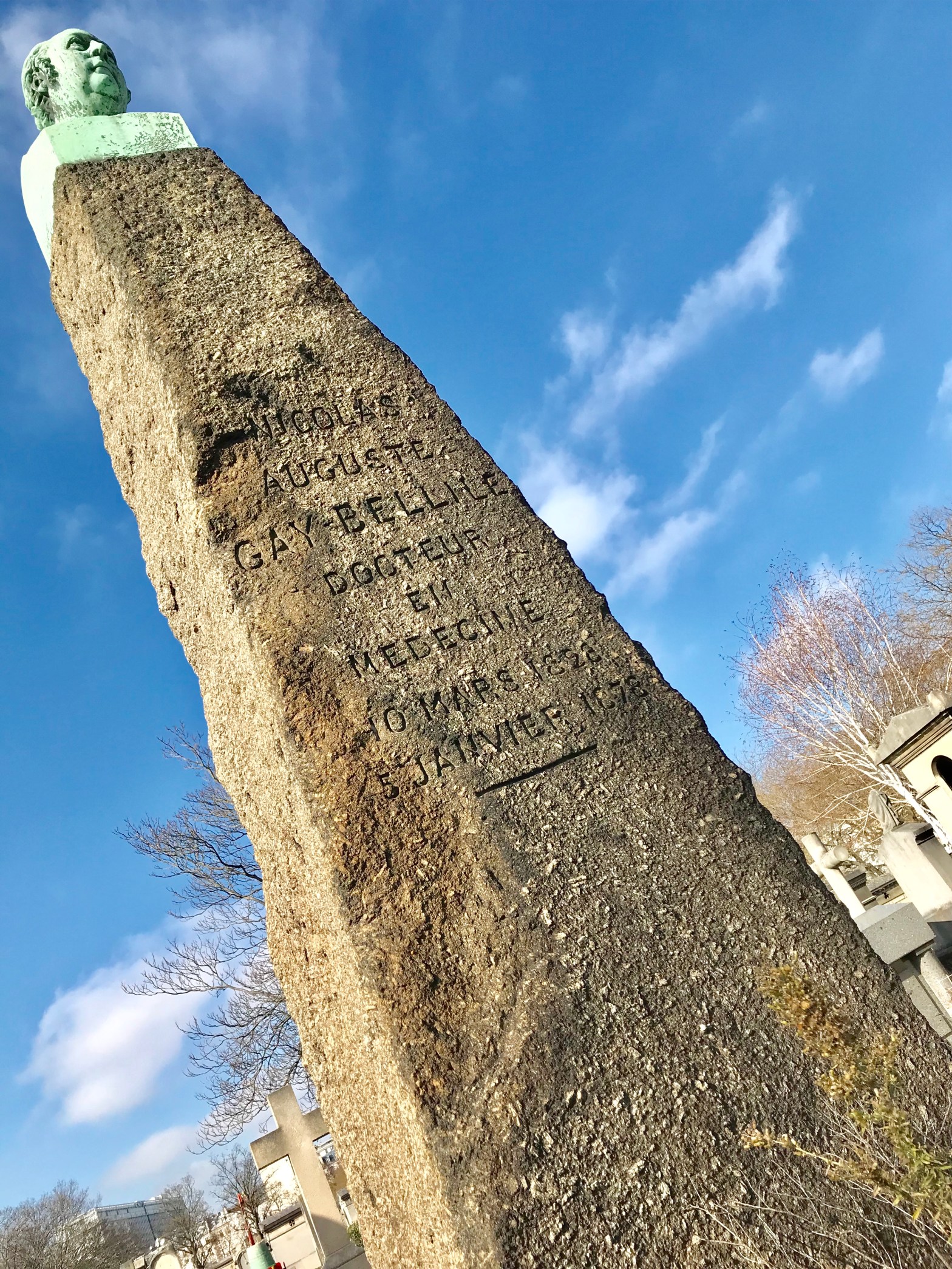
The image of Dr. Nicolas Auguste Gay-Bellile’s grave, a massive head perched on top of a skyscraping tombstone, reminds me of Dune and the way director Denis Villeneuve showed the corpulent menace, Vladimir Harkonnen, using Holtzmann suspensors to rise and allow the baron to seemingly nullify gravity.
The image of the sculpture is from a Parisian cemetery and it’s a good start. I’m posting notes to frame initial categories, and graving should figure a lot in this site so forgive the disarray of what you read and see here. Have to first establish a few demarcations.
What’s this page about? What is graving?
Good question. A graver is someone who loves going to and exploring cemeteries. Sometimes called a taphophile. Graving is about a particular fascination with burial grounds, which is why research on the practice – even the hobby – of graving is sometimes associated with archaeology. I’ve been graving for a long time. When I’m in a new place, the first compulsion for me is to look for public markets, kitchens, and yes, cemeteries.
I’ve often been asked what explains my fascination with the resting place of the dead. My answers vary, but they hew close to similar explanations. Because cemeteries are quiet and imbued with peace, which means they’re great places to linger in and read a book, watch people, watch birds, be still.
Cemeteries are brimming with stories and speculations about past lives, art, mortality, love, passions, history, memory. They are gardens of imagery. They are public parks. They are reminders of how short life is.
Sometimes the pleasure is about the hunt – if I’m looking for a particular person who has passed the great veil, I feel a surge of excitement, and my senses take fractal form, especially in situations where a cemetery visited does not have a map, which is often the case, or the map is not very detailed or does not contain the particular tomb I’m looking for. I follow a certain logic – if I’ve encountered past photos of a grave site I try and reconstruct angles and perspectives to place where the photographer was facing when the image was captured; to see where a particular tree is or buildings in the horizon visible in the photo. Sometimes there’s nothing to follow, and out of sheer luck, and clues often available only to gravers who have logged enough years, I find what I’m looking for.
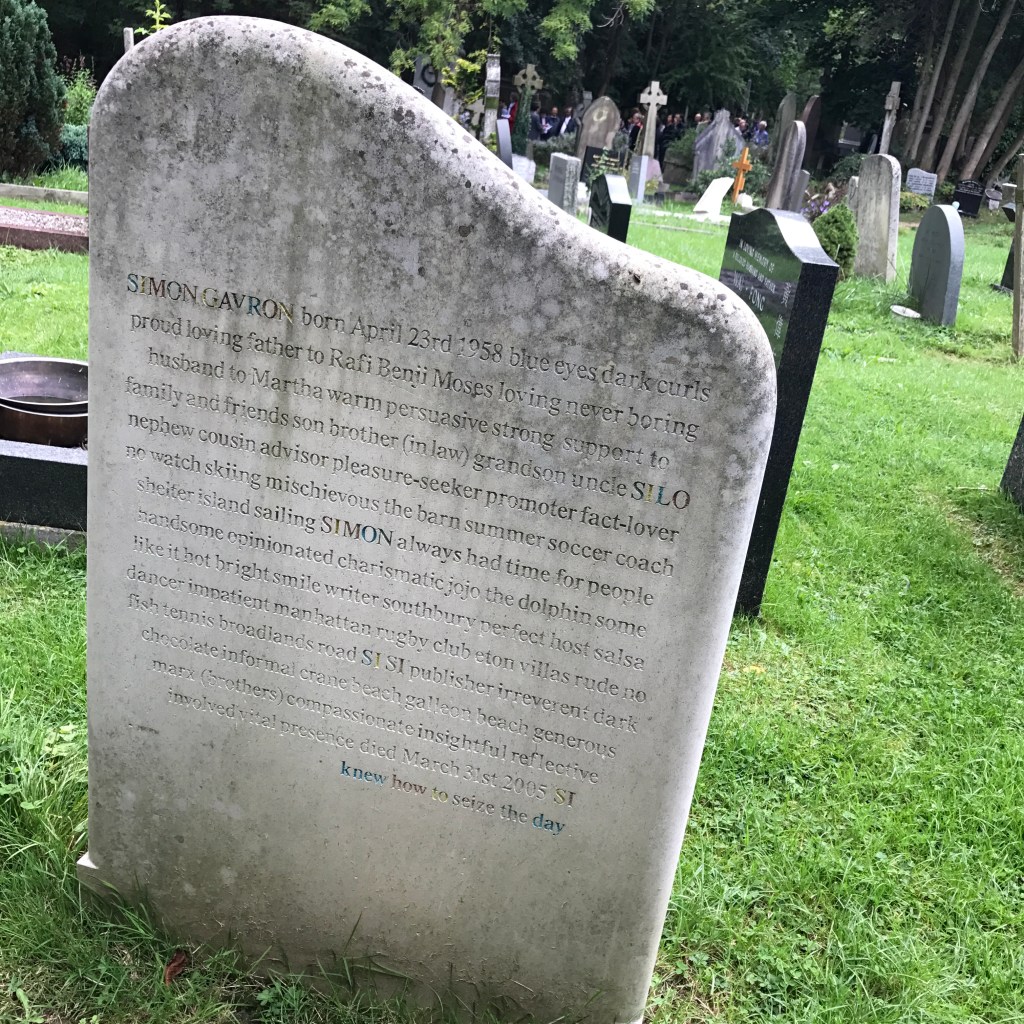
Some cemeteries overflow with humor, and it makes me envious how loved the person who died was, when his gravestone is inscribed with funny phrases, jokes, words that elicit laughter, such as Simon Gavron’s tombstone in Highgate.
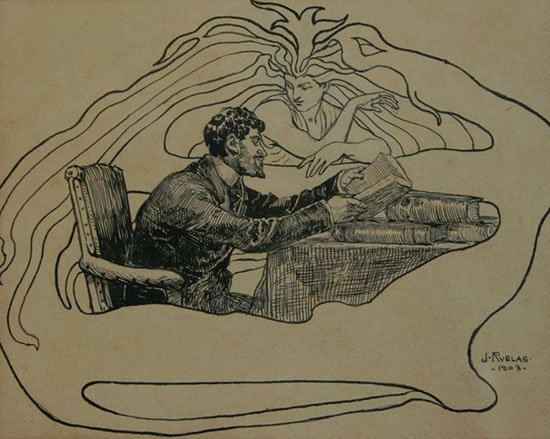
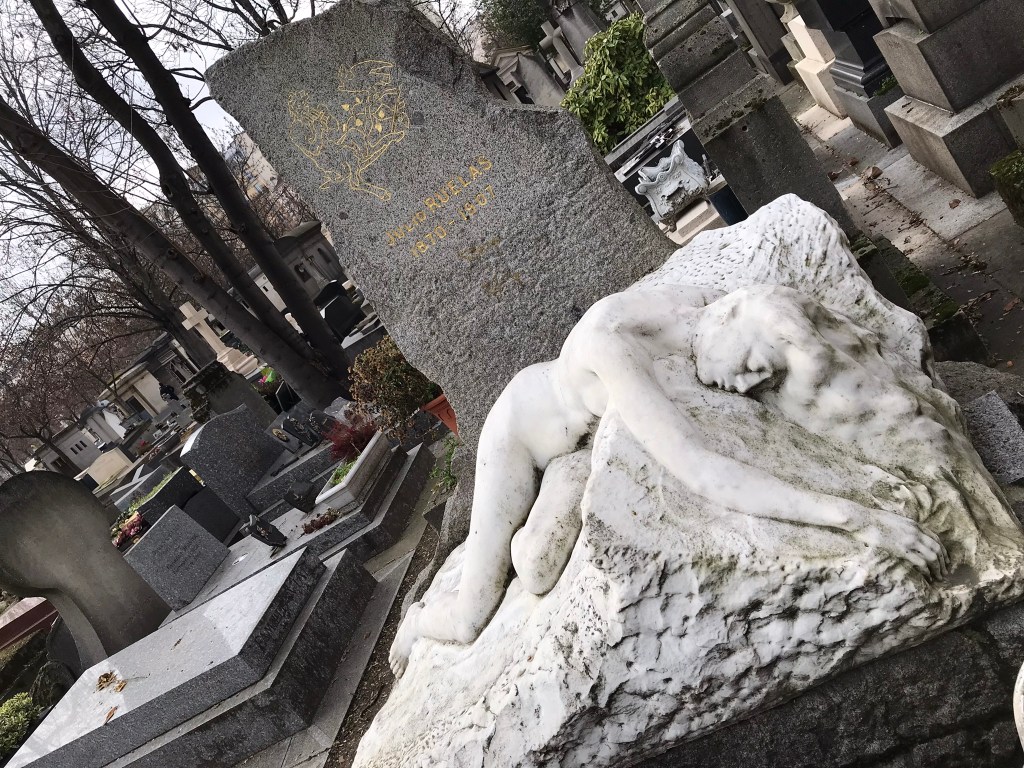
Others are like museum galleries of fine art. Take the grave of the Mexican modernist, Jose Ruelas, who’s buried in Montparnasse cemetery.
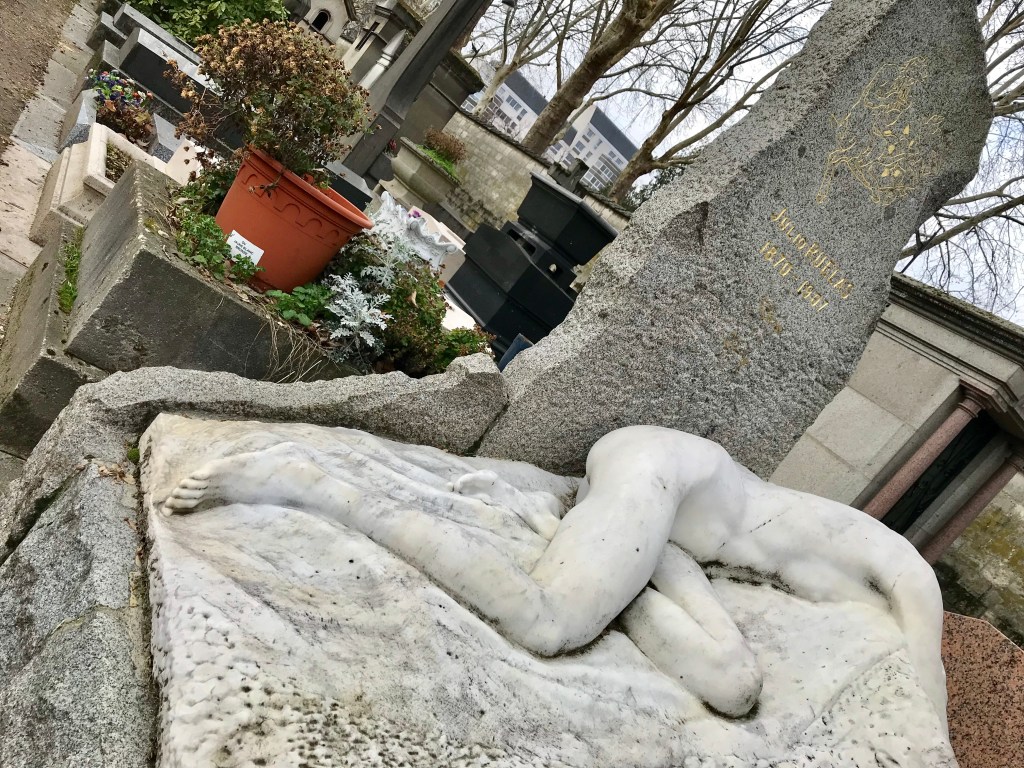
His was a painter and printmaker, who also loved working with pen and ink.
How deeply mourned his passing must have been, and how perfectly haunting the statue of a weeping woman on his grave is, which communicates the tragedy of the artist’s passing with quiet, compelling grace.
Sometimes the grave is sparse, and if one did not know of the person’s name you would not have looked twice at the person’s final spot, like the grave of the photographer – the master – Brassai. I looked for his resting place, and when I found it I spent sometime there as images of his photographs flickered through my mind.

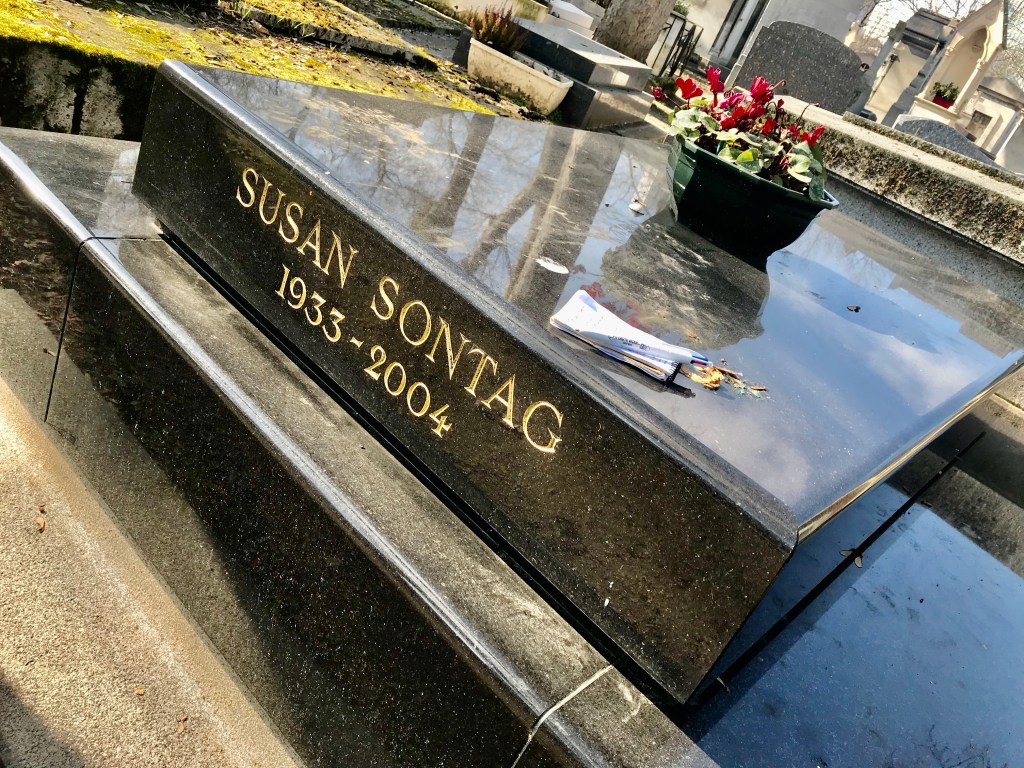
Or take the grave of a writer I’m tremendously fond of, Susan Sontag, which reflects her sensibilities, even though her essays rearranged the grammar of thinking in countless people. She wrote with a force that was never blunt, always probing. Her writing was expansive, generous, fearless, fierce.
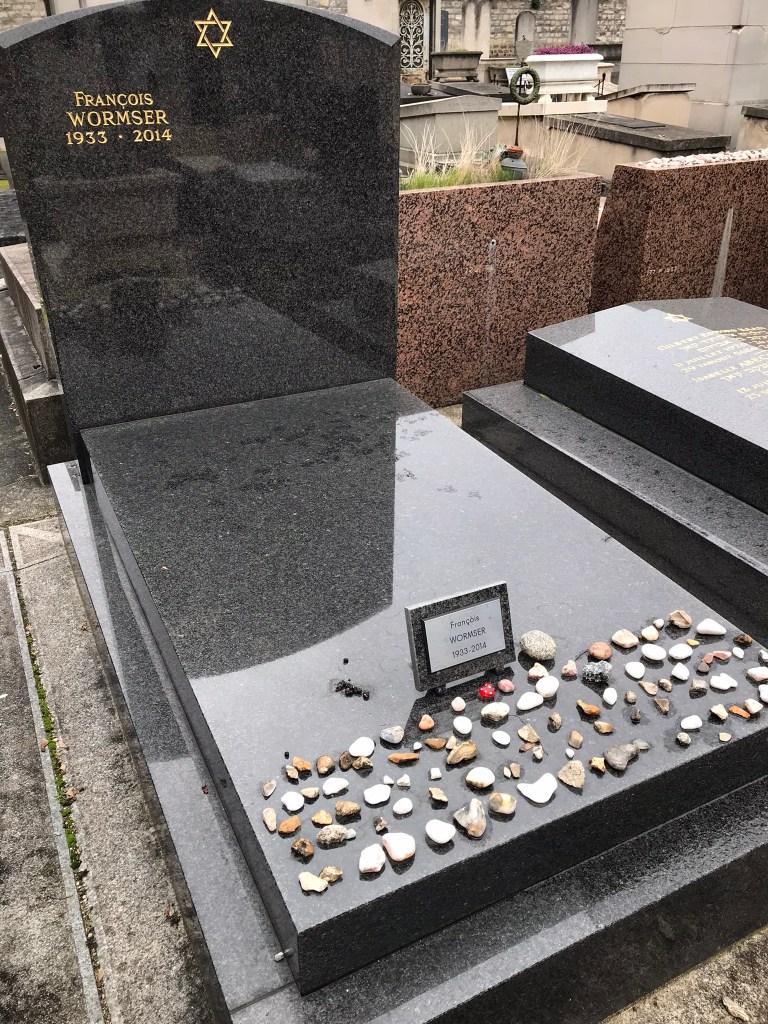
In cemeteries you get to see different ways people remember the dead. Just looking at the grave of Francois Wormser in the same cemetery will give you an idea how Jews remember and honor their dead beyond the Star of David symbol on the headstone.
I love graving. It’s the one place in the world where residents rarely talk back. They’re not great at debates, but the dead will challenge you in so many ways if you let your mind wander.
 Kamuning Republic